Human Quest
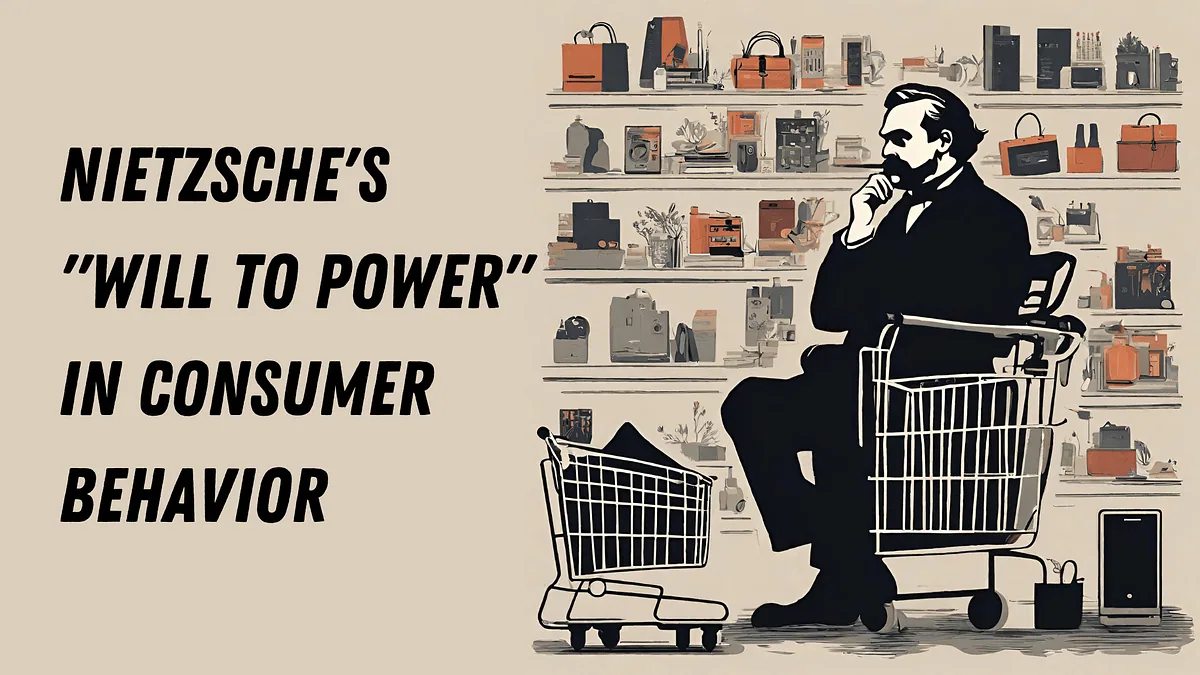
Nietzsche’s “Will to Power” in Consumer Behavior
Friedrich Nietzsche’s “Will to Power” is a philosophical concept that speaks to an innate drive within all beings to assert and enhance their own vitality, power, and significance.
On this page
Friedrich Nietzsche’s “Will to Power” is a philosophical concept that speaks to an innate drive within all beings to assert and enhance their own vitality, power, and significance. Though traditionally applied to domains like politics, psychology, and art, the concept has relevance in areas that even Nietzsche may not have directly addressed: such as consumer behavior and marketing. This post aims to explore this fascinating crossroads, shedding light on how this age-old philosophical idea manifests in our modern buying habits.
To bring this concept to life, we’ll delve into the recent frenzy surrounding the launch of iPhone 15. Why did people line up at 4 a.m., eagerly waiting to get their hands on this new gadget? Can Nietzsche’s idea of the “Will to Power” offer an explanation for this consumer behavior? In unpacking these questions, we’ll uncover key takeaways for marketers looking to tap into the deepest drives of their potential customers.
Will to Power
Before diving into its implications for consumer behavior, it’s important to understand what Nietzsche meant by the “Will to Power.” According to the German philosopher, this innate drive is about more than just seeking control or dominion over others. Rather, it encapsulates the idea of self-enhancement, self-assertion, and even self-overcoming. In Nietzsche’s view, all actions, emotions, and human relationships are manifestations of this will.
The “Will to Power” can be perceived as the fundamental essence that propels individuals to strive for more, more influence, more assertion, and more affirmation of life. It’s an engine that drives us to become fuller versions of ourselves, to tap into our utmost potential. It’s not just about conquering or dominating but about the constant yearning to evolve, to be better.
The Will to Power in Modern Consumer Behavior
Now that we understand the philosophical grounding of Nietzsche’s “Will to Power,” let’s explore how this manifests in consumer behavior. At the surface level, consumerism appears to be guided by simpler motivations: the need for utility, the desire for luxury, or even social influences. However, if we dig deeper, many of these motivations can be traced back to the underlying framework of the Will to Power.
Consider why we lust after the latest technology, why we want faster cars, or why brand names matter to us. On the one hand, these cravings seem materialistic and shallow. On the other hand, looked at through the lens of the Will to Power, they represent our ongoing quest for self-assertion, influence, and control over our environment.
The iPhone 15 Frenzy as an Expression of the Will to Power
Let’s look at the recent worldwide launch of the iPhone 15. Apple product launches have always been monumental events, but what makes people line up at 4 a.m., waiting hours to be among the first to own the latest iPhone?
This behavior goes beyond the excitement for new features or upgrades. Lining up in the early hours for the iPhone 15 is an act of assertion. It declares one’s ability to be among the first, the privileged few, to access the latest technology. It shows that the individual has the financial means to afford such a luxury right at its launch, signaling a form of economic power. It’s a way to be seen, even envied, by others who recognize the social signals that come with owning a newly launched, top-tier piece of technology.
In Nietzschean terms, the rush to acquire the iPhone 15 could very well be an expression of the Will to Power. By being one of the first to own it, individuals are making a powerful statement about who they are and how they wish to be perceived.
Takeaways for Marketers
Marketers can learn a great deal from the influence of the Will to Power on consumer behavior. Understanding that consumers are not just buying products, but also “power” in various forms, can be enlightening. This lens can guide marketers in shaping narratives that appeal to deeper, more primal motivations within potential customers.
Here are a few examples:
Example 1: E-Commerce Fashion Store Dealing with Luxury Brands
In the realm of luxury fashion, owning high-end brands is often about making a statement. It’s a declaration of one’s status, taste, and financial prowess. When marketing luxury fashion, emphasizing the exclusivity and limited availability of items can tap into the consumer’s Will to Power. By owning this exclusive item, they aren’t just purchasing clothing but an elevated status and a sense of empowerment. Phrases like “exclusive release,” “limited edition,” or “be among the select few” can work wonders here, appealing to that innate drive for distinction and influence.
Example 2: E-Commerce Store with Budget Brands
On the other end of the spectrum, budget brands offer a different kind of power, the power of savvy financial management, of making wise choices. Marketing for budget brands can focus on how smart shopping empowers you to make the most out of your hard-earned money. Rather than just highlighting the affordability, emphasize the intelligence behind choosing a budget-friendly but high-quality product. Taglines such as “Smart Choices for Smart People” or “Empower Your Lifestyle, Without Emptying Your Wallet” could resonate with those seeking to express their Will to Power through frugality and resourcefulness.
Each of these examples illustrates how understanding the Will to Power can offer a deeper layer of insight for crafting compelling marketing narratives, thereby resonating with the most primal drives of the consumer base.
The Philosophical Edge in Marketing
Understanding consumer behavior is a complex task that requires more than just examining surface-level motivations. Friedrich Nietzsche’s concept of the “Will to Power” offers an enriching layer of psychological insight, allowing us to explore consumer actions and choices from a deeper perspective. By recognizing that this primal drive underlies various forms of consumer behavior, marketers gain the ability to craft more impactful and resonant campaigns.
From the frenzy of iPhone launches to the allure of both luxury and budget brands, the Will to Power manifests in numerous ways in our modern consumer landscape. By tailoring marketing strategies that speak to these deeper drives, marketers can better engage their target audiences, crafting narratives that not only sell products but also fulfill intrinsic human desires for self-assertion, control, and empowerment.
By marrying philosophy with marketing, we don’t just sell better; we understand better. And in that understanding lies the key to resonating with consumers on a level that goes beyond mere material transactions to touch the core of human motivation.
That’s my learning for today!
**Additional Reading:**1. More on Will to Power: https://www.thoughtco.com/nietzsches-concept-of-the-will-to-power-2670658 2. Maslow’s Hierarchy of Needs, a concept that aligns with the essence of current post: https://www.simplypsychology.org/maslow.html 3. Another concept that aligns to consumer behavior in this post, Caldini’s 6 principles of persuation, mainly Scarcity: https://worldofwork.io/2019/07/cialdinis-6-principles-of-persuasion/