Indian Thought
From Primal Fear to Divine Symphony
Thousands of years ago, when humanity was still confined to the dense, untamed forests, the Earth endured a brutal summer. The relentless heat from the sun scorched the land, leaving it parched and lifeless.
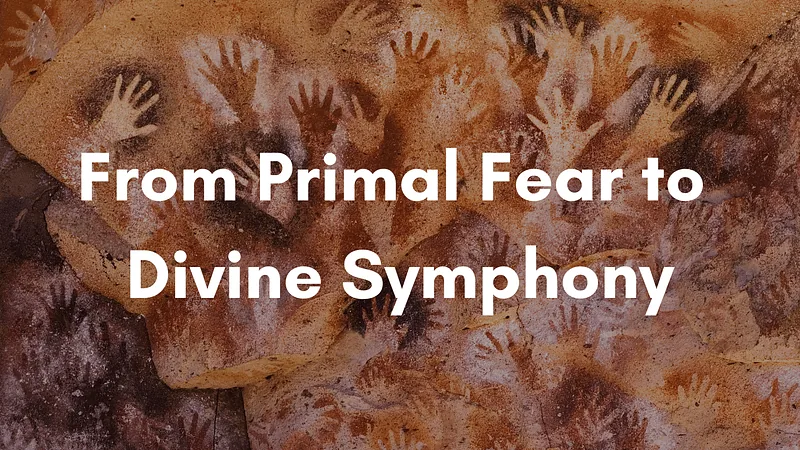
Thousands of years ago, when humanity was still confined to the dense, untamed forests, the Earth endured a brutal summer. The relentless heat from the sun scorched the land, leaving it parched and lifeless. The forest, once a sanctuary, began to wither under the unyielding sun. Birds, animals, and humans alike suffered, seeking refuge from the oppressive heat that seemed to consume everything in its path.
The humans, primitive yet perceptive, knew that the blazing orb in the sky was the source of their misery. They raised their hands, praying fervently, hoping to appease the powerful entity that ruled their days with scorching ferocity. But their pleas went unanswered. The sun remained a merciless tyrant, its heat unrelenting.
Days turned into weeks, and just as despair was setting in, the sky began to change. Dark, ominous clouds gathered on the horizon. A cool breeze whispered through the trees, a prelude to the transformation that was about to unfold. Thunder rumbled in the distance, a deep, resonant sound that echoed through the forest. The first drops of rain fell gently, almost tentatively, before cascading into a torrential downpour.
The forest erupted in celebration. The parched earth drank deeply, rejuvenated by the life-giving rain. Animals frolicked, their thirst quenched, their spirits lifted. Seeds, long dormant in the dry soil, began to sprout, promising new life. The humans, too, were overjoyed. Their prayers, they believed, had been answered.
Amidst the joy and relief, a divide emerged within the human group. Some believed it was the rain itself that had brought them salvation. To them, rain became a divine entity, a god of mercy and life. Others still revered the sun, seeing it as the ultimate power, its departure merely a temporary retreat. A few saw the thunder, with its commanding presence, as the true force that had vanquished the sun and summoned the rain. And some felt a deep connection to the forest itself, the nature that had always provided shelter and sustenance, seeing it as the supreme force deserving of their praise.
In their joy, they gave names to these powerful elements: the sun, the rain, the thunder, and the nature around them. These names evolved into gods, and the people began to worship them with fervor. Their shouts of praise filled the air, and these exuberant cries gradually transformed into songs. Overwhelmed by happiness, their bodies moved spontaneously to the rhythm of their voices, creating the first dances.
Women adorned themselves with flowers, their offerings to the gods, while men brought their share of the hunt (meat, fruits, anything they could find) as tributes. These acts of reverence became rituals, their expressions of gratitude and joy manifesting in songs, dances, and offerings.
As time passed, the group of humans began to refine their expressions of joy and reverence. Some among them displayed a natural talent for weaving primitive words into cohesive verses, giving rise to the first lyricists. Their ability to articulate emotions and stories through song was unmatched, and their verses became the foundation of the group’s musical traditions.
Similarly, those with voices less harsh and more melodious emerged as lead singers. Their songs, though still raw and unrefined, were soothing and evocative, leading others in harmonious chants and melodies. The dances, too, evolved, with some individuals displaying a natural grace and rhythm that made them stand out as lead dancers. These early artists inspired and guided their peers, turning spontaneous movements into choreographed performances.
As humanity’s wisdom grew, so did their understanding of the world around them. Language, attire, and customs evolved, reflecting their increasing knowledge and sophistication. They continued to believe in the powerful forces and gods that had guided them through hardships, seeing them as protectors rather than adversaries.
With deep faith, they sang songs dedicated to their favorite deities, each verse a plea for protection and prosperity. They danced to please these gods, hoping to keep their families, livestock, and villages safe from harm. These rituals became central to their way of life, intertwining spirituality with daily existence.
On cool, breezy nights, the community would gather around the campfire. The flickering flames cast dancing shadows, creating an enchanting backdrop for their gatherings. They sang and danced until exhaustion overtook them, their voices and movements a testament to their unity and shared beliefs.
To protect themselves from wild animals that lurked in the darkness, they developed an array of primitive sounds. Using their mouths, they mimicked the growls and roars of beasts, creating a cacophony that deterred potential threats.
They also discovered that striking wood, stones, and even bones together produced distinctive sounds. These became the first musical instruments, adding a new dimension to their rituals.
Sticks and bones transformed into rudimentary drums and clappers, their rhythms resonating through the night air. The group reveled in this newfound ability to create music, their songs and dances now accompanied by the percussive beats of their instruments. This fusion of voice, movement, and rhythm elevated their ceremonies, making them even more powerful and captivating.
As the seasons turned and generations passed, these early practices became deeply ingrained in human culture. What began as spontaneous expressions of joy and reverence evolved into sophisticated forms of art and worship. The gods they had named, the songs they had sung, and the dances they had performed became the cornerstones of their communal identity, shaping their worldview and guiding their daily lives.
The legacy of these ancient humans lives on in the songs we sing, the dances we perform, and the rituals we observe. They remind us of our enduring connection to the natural world, the forces that shape our existence, and the profound power of collective expression. In their simple yet profound acts, we find the origins of our own cultural and spiritual traditions, a testament to the timeless joy of song, dance, and the human spirit.
That’s my learning for today!