Indian Thought
Deities to Divas: Tracing India’s Continuous Thread of Fandom
The fervour of the Bhakti era and the fervour around a film star may be the same impulse wearing different clothes. India has never stopped making devotees.
On this page
Yesterday’s immersive dive had me caught in a web of thought. It’s fascinating how while skimming through the annals of history and the fervent devotion of the Bhakti era, my mind couldn’t help but draw parallels with our contemporary world. Yes, times have drastically changed, and while our ancestors expressed their adoration for divine figures, we, in our modern milieu, channel similar energies toward movie stars, sports icons, and other public figures. They had their gods, and in many ways, we have ours.
So, with the gears in my brain already whirring from yesterday’s snippet, today I’ve delved deeper into this uncanny resemblance between the spiritual fervor of yesteryears and the celebrity fandoms of the 21st century. Let’s journey through time together and explore this intricate tapestry of human devotion.
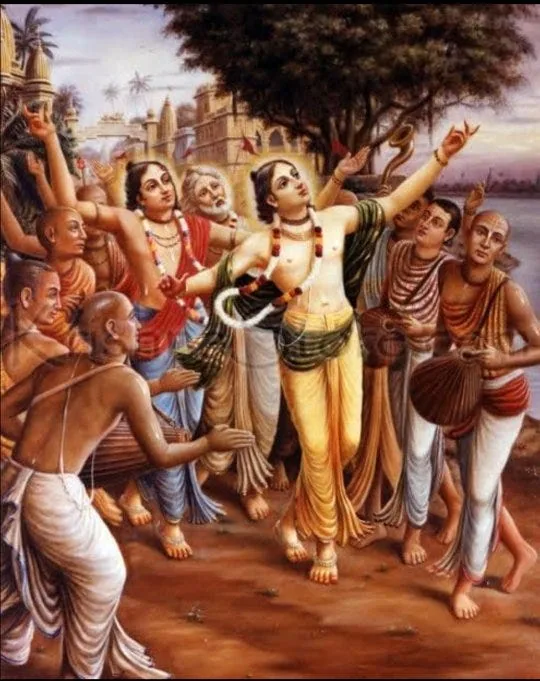
Bhakti Movement: Gods to Celebrities
The Bhakti Movement, which flourished during medieval India, was all about showcasing deep personal affection towards deities. Think of it: this was like the spiritual precursor to the hype we feel today before a major cricket series or a Rajnikant movie drop. While the Bhakti tradition can trace its origins to ancient Indian scriptures, the movement we identify with began around the 7th century in South India and moved north, peaking between the 15th and 17th centuries.
Saints like Alvars, Nayanars, Chaitanya Mahaprabhu, Tyagaraja, Annamayya, Kabir, Meera Bai, and many others from different regions fueled the movement with their unique inputs.
The Bhakti Movement resonated widely because it offered a direct, intimate bond with the divine, bypassing elaborate rituals and priestly intermediaries. It championed inclusivity, welcoming all irrespective of caste, class, or gender. Its simplicity appealed to the masses, while the rich artistic expressions (songs, poetry, and art) deepened emotional connections. By challenging religious orthodoxy and the rigid caste system, it advocated for a more egalitarian society. Moreover, teachings in local vernaculars and a focus on community-building through collective singing fostered accessibility and a strong sense of belonging among followers.
Today: Elevating Celebrities to Godhood
Before our modern-day entertainment staples came into the picture, classical arts dominated India’s cultural landscape. Historically, royal patronage uplifted many artists and performers. For the royals, favoring a particular artist was its own kind of fandom.
The game-changer for India’s fan culture was cinema. The 1930s saw film icons like Rajesh Khanna and Nargis capture the public’s imagination. Between the 1950s and the 1970s, industry giants like NTR, MGR, and Amitabh Bachchan set the bar for the superstar culture we’re familiar with today.
Then came sports. India’s unexpected win in the 1983 Cricket World Cup catapulted cricket from a mere sport to a near-religion, with figures like Sachin and Dhoni assuming god-like statuses.
The media boom in the 1980s and 1990s, followed by the internet era in the 2000s, intensified this fan culture, bringing celebrities within arm’s reach of their fans.
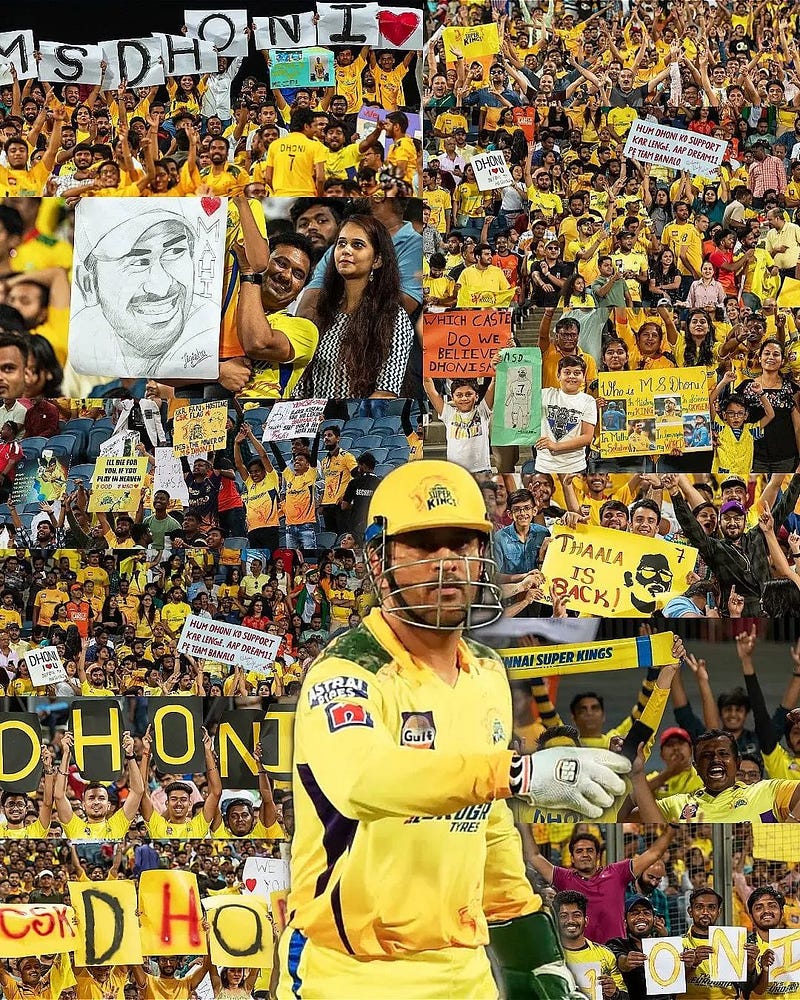
Drawing the Lines of Connection
Modern fans wear their loyalties on their sleeves, showcasing their passion with collectibles, merchandise, or tattoos. Back in the Bhakti days, devotees used talismans, symbols, or colors to express their dedication. Different symbols, same sentiment.
Fan cultures, both past and present, are marked by animated discussions, even debates, about nuances. Just as today’s fans dive deep into discussions about a song’s lyrics or a movie’s pivotal moment, Bhakti followers would engage in detailed narratives about their deity’s exploits.
The reach of the Bhakti Movement wasn’t confined to India; it influenced art and culture beyond borders. Similarly, today’s fandom, empowered by the internet, transforms local favorites into global sensations.
Even though the Bhakti Movement and today’s fan cultures sprout from different grounds, they both spotlight a timeless human trait:**our need to connect deeply with something grander than ourselves.**Both eras, while distinct, underline the timeless theme of devotion, spiritual or secular.
That’s my musing for today!